
Fact Check: Why Nutritionists Keep Telling Us to Eat Fruits
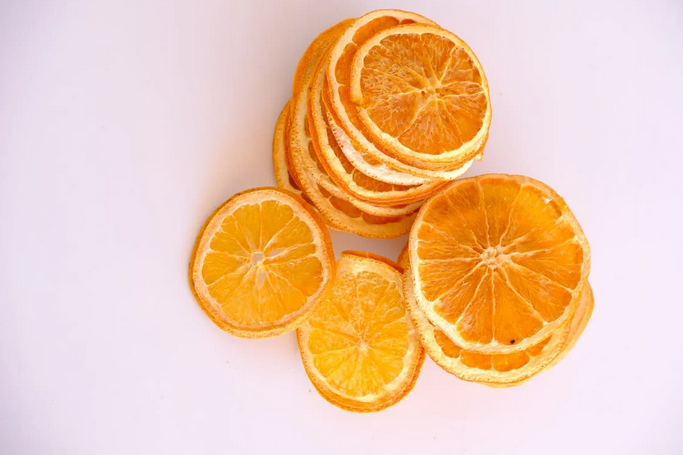
Are you tired of hearing nutritionists constantly telling you to eat more fruits? You may have even heard about the best fruits for dehydration that can prevent various diseases. But is that true? Well, before you roll your eyes and dismiss their advice yet again, let’s take a moment to delve into the reasons behind their persistent fruit-filled declarations.
You see, there’s so much more to these colorful and delicious treats than meets the eye. So read on and discover why nutritionists just can’t stop raving about these natural wonders.
Fruit Is Packed With Healthy Fiber, Minerals, and Vitamins

When it comes to nutrition, fruits are the real MVPs. They’re not only delicious but also packed with a powerhouse of nutrients that our bodies need to thrive. One of the key benefits of fruits is their high fiber content. Fiber plays a crucial role in supporting digestion and keeping things moving smoothly through our digestive system.
But that’s not all – fruits are also rich in minerals and vitamins crucial for maintaining overall health. From vitamin C, which boosts our immune system and promotes healthy skin, to potassium, which helps regulate blood pressure, these nutrients are like little superheroes working behind the scenes to keep us feeling our best.
Fruit Can Prevent and Even Cure Some Diseases
Research has shown that certain fruits have specific disease-fighting properties. For example, berries such as blueberries and strawberries have serious punches of antioxidants that can help lower the risk of heart disease and even cancer. Citrus fruits, such as kiwis, grapefruits, oranges, and lemons, are high in vitamin C. Therefore, they can boost our immune system and prevent colds and flu.
The Healthy Fiber Is Usually Left Behind in Fruit Pulp and Peel
When it comes to fruits, most people tend to focus on the juicy flesh and discard the pulp and peel. However, they are missing out on a significant source of healthy fiber. Fiber is indeed crucial for our digestive system while maintaining a healthy weight.
The pulp of fruits such as apples, pears, and oranges contains a substantial amount of dietary fiber. This fiber adds bulk to your diet and keeps you feeling full for longer periods. It also aids in the healthy regulation of blood sugar levels while also preventing constipation.
Whole Fruit Is Much Better Than Fruit Juice
 Why settle for just a fraction of the benefits when you can enjoy the full package? Here’s why whole fruit is much better than its liquid counterpart. When you consume whole fruit, you’re not only getting the vitamins and minerals present in the flesh but also reaping the benefits of healthy fiber. The fiber content in fruits helps regulate digestion, keeps you feeling much fuller for longer, and helps maintain a healthy weight.
As a matter of fact, by consuming whole fruit instead of juice, you avoid missing out on essential nutrients found in peel or pulp that often get left behind during juicing. For example, citrus peels are rich in antioxidants like flavonoids and have been linked to reducing inflammation and promoting heart health.
Nutritionists have been emphasizing the importance of incorporating fruits into our daily diets for a good reason. Fruits are not only delicious and refreshing but also packed some serious punches of essential nutrients that can benefit our overall health. From providing us with a rich source of fiber, minerals, and vitamins to helping prevent and even cure certain diseases, fruits truly deserve their reputation as nutritional powerhouses.…

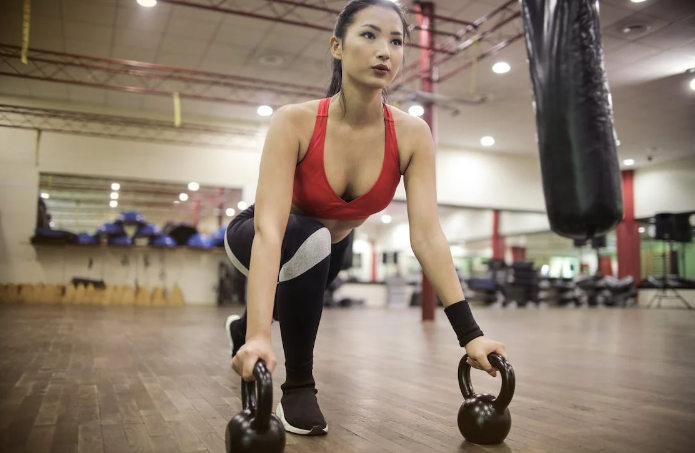 Kettlebells work more muscles than traditional weights. This is because they are often used in exercises that require swinging or pressing motions. These movements target the muscles in your arms, shoulders, chest, back, and legs. As a result, you can get a full-body workout with kettlebells. In addition, kettlebells are often used in HIIT (high-intensity interval training) exercises. HIIT is a type of workout that alternates between high and low-intensity periods. This type of workout effectively burns fat and increases muscle tone.


 The first step to running faster is to take it slow. When starting your exercise, don’t try to do too much too soon. It is essential to ease into your workout and gradually increase the intensity. If you try to do too much too soon, you will quickly become exhausted and won’t be able to sustain your pace. The pace of your workout should gradually increase as you become more fit. Start with a warm-up that includes light jogging and dynamic stretching. Dynamic stretching is a type of stretching that involves moving your body through a full range of motion.
 Once you’ve built up your strength and improved your technique, it’s time to focus on running faster. There are a few different ways that you can do this. One way is to find a hill and sprint up it. This will help you develop explosive power and improve your running form. Another way to run faster is to do intervals. Intervals are short bursts of high-intensity running followed by a period of rest. Intervals are a great way to improve your speed and endurance.


 Shooting is probably the most practiced skill by new and experienced players. However, it is still practiced incorrectly by many. In practice, all drills should be performed at game speed and as you would in stressful situations. Players are often too lazy to do this, and instead of practicing the soft shot they consistently execute in the game, they resort to a jump shot by default. Instead of jumping to provide energy, they use their arms to get it and their legs provide the rest. Evaluating the wrong means to take would be something that players do all the time.

 Make sure you have a regular haircut. Has it cut by a specialized hairdresser or stylist? Short hair should be trimmed every 4 to 8 weeks, while the recommended period for trimming for medium to long hair is 6 to 12 weeks. Cutting your hair helps your hair develop on its own. It may sound counterintuitive, but it is exceptionally accurate. Regular trims help remove damaged hair and split ends—it promotes further hair growth from the roots. Trimming your ends will make your hair softer and more flexible, thereby free from breakage.


